If you’re a parent or caregiver, this is a night you’ll want to be aware of. Blackout Wednesday. Thanksgiving Eve. Drinksgiving. Blackout Eve. These are terms for the night before Thanksgiving. They might sound like a joke, but they’re not at all. Here’s the lowdown about what it is, why it’s dangerous, what teens are doing, and what you can do to help keep your kid safe. And in the end, there is, in fact, good news. Read on.
What is Blackout Wednesday?
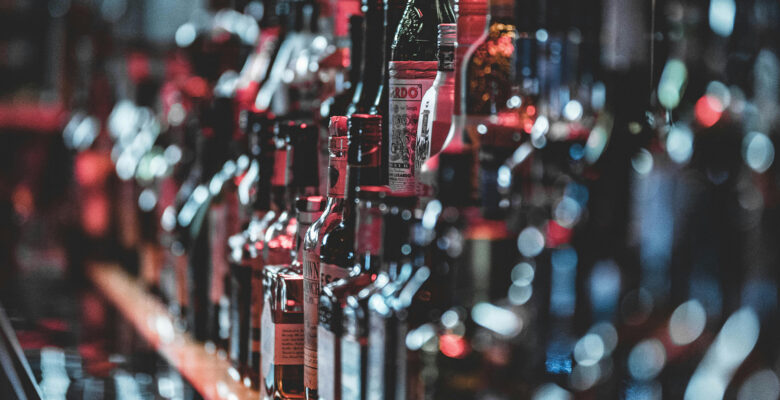
The Wednesday before Thanksgiving is one of the heaviest drinking nights of the year. It’s a night associated with binge drinking and impaired driving. Bars are packed, parties pop up everywhere, and college students are coming home for the holiday. And within this mix, teens are in risky situations.
- High schoolers and college students reunite.
- Alcohol sales spike.
- Binge drinking is at an extreme.
- DUI arrests, alcohol-related crashes, and alcohol poisoning rise sharply.
It’s nicknamed “blackout” because that’s what can happen when people drink too much: memory loss, loss of control, or worse.
Why this night is especially risky for teens.
Even if your teen doesn’t drive or go out, this night can bring unexpected pressure.
- Access is easier. Older friends are back from college, and alcohol can show up at house parties or hangouts; cue potential serious issues.
- Supervision drops. Parents are distracted prepping for the holiday, traveling, or hosting family.
- Peer pressure peaks. Teens feel pulled to say yes, whether that’s to fit in or reconnect.
- Driving risk is extreme. Thanksgiving Eve consistently ranks among the most dangerous nights for drunk-driving crashes nationwide.
Young drivers aged 21-24 accounted for the highest percentage of alcohol-impaired drivers involved in fatal crashes on Thanksgiving Eve: 44%, according to the National Highway Traffic Safety Administration.
On Thanksgiving Eve, alcohol-related deaths are higher than during Christmas and are either similar or exceed those on New Year’s Eve.
What the data says about underage drinking.
The numbers are a wake-up call, and they also show why parent conversations matter.
- About 4,000 people under the age of 21 die from excessive alcohol use each year. (www.cdc.gov/ardi)
- 16% of teens said that they rode with a driver who had been drinking. (https://www.cdc.gov/healthyyouth/data/yrbs/index.htm)
- 28% of young adults aged 18 to 25 engaged in binge drinking in a given month. Binge drinking is defined as consuming five or more alcoholic drinks for men, and four or more drinks for women, in roughly two hours, which leads to a blood alcohol concentration (BAC) of .08% or higher. (National Library of Medicine)
- The average age for first use of alcohol among New York teens is just 13 years old. (NYS OASAS Prevention Data, 2023)
- Early alcohol use, especially before the age of 15, is associated with a significantly higher risk of developing an alcohol use disorder later in life: 6X greater. (National Institute on Alcohol Abuse and Alcoholism)
- In New York State, alcohol plays a role in more than 22% of all fatal crashes each year for young adults between the ages of 15 – 20.
The good news.
While the facts about Blackout Wednesday are startling, there is indeed good news.
- The majority of teens are NOT drinking. Youth might overestimate how common teen drinking is among their peers; in reality, NOT drinking is the most typical behavior. That’s good news.
- Rates of binge drinking and overall alcohol use have dropped dramatically over the past two decades. That’s good news.
- When parents and communities set clear expectations against underage drinking, teens are even less likely to start. That’s good news.
What parents and caregivers can do.
You don’t have to ban fun. You just need to stay engaged.
Start the talk early.
Bring it up casually a few days before the holiday:
“Hey, there’s this thing called Blackout Wednesday, have you heard of it?”
Make it conversational, not confrontational. And continue the conversation.
Share what’s real.
Teens tune out lectures but respond to facts that feel relevant:
- Memory blackouts happen when the brain literally can’t record what’s going on. Binge drinking can lead to accidents, sexual assault, legal consequences, and future issues like ruining college or job plans.
- One drink can hit harder than expected. People underestimate how fast alcohol affects them, and it rarely stops at one. It’s a slippery slope.
- Impaired driving is deadly. Alcohol slows reaction time and clouds judgment, a dangerous mix for anyone, especially new drivers. Nobody should drive drunk, and nobody should get in the car with a driver who’s been drinking.
- The teen brain is still developing. Drinking before age 21 can interfere with memory, learning, and decision-making. It can make anxiety and depression worse. And underage drinking can increase the likelihood of addiction later in life.
Plan safety together.
Help your teen build a plan:
- Who are they with?
- How will they get home?
- What’s their backup if things get sketchy?
Make sure they know they can always call or text you, no judgment, no questions in that moment. Have a code for an easy way out for them. - What are better ways to spend the night than hanging out where people might be drinking? Your teen can organize alternative activities.
- Set your clear expectations.
Check in.
If you’re hosting or traveling, know what’s happening in your teen’s world and in your community. Ask other parents what their kids are doing. Communication beats assumption.
The takeaway.
“Blackout Wednesday” might sound like an odd nickname, but it’s a night linked to spikes in underage drinking, alcohol-related crashes, and risky choices that lead to terrible consequences.
Your influence matters more than you might think. Teens who believe their parents disapprove of underage drinking are 80% less likely to drink.
Conversations before the holiday can do more good than you realize. Gain the facts about underage drinking and outsmart the misconceptions, and recap the legal lowdown that teens and parents should know. Because the best Thanksgiving traditions aren’t just about food and family, but are also about protecting the ones we’re thankful for.